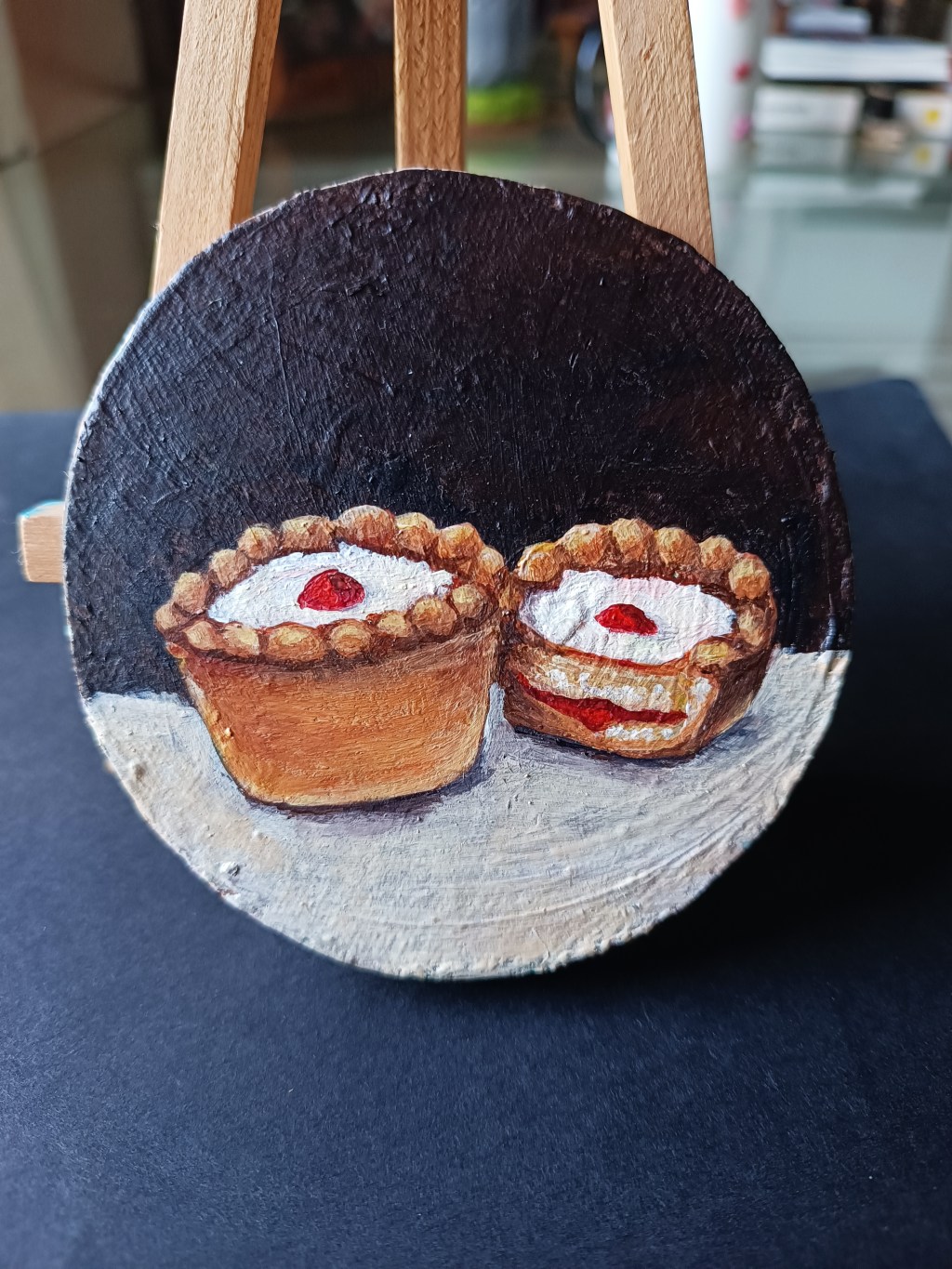
One of the most relatable things I’ve ever heard is ‘food is culture’. Often we talk about how food connects everyone across cultures, I must also say that a lot of times food is so culturally connected to a region that it becomes an inalienable part of its identity.
Coming from India, the latter is something I’ve witnessed all the time and I will be sharing those in later posts! But today, I’m talking about one of the most charming looking and tasting desserts I had the pleasure of tasting during my studentlife in the UK.
Born in the delightful and picturesque (to be honest, I found most towns in the UK equally picturesque) town of Bakewell, this dessert champions cherry and almond as its unique falvours and admittedly, the white icing and cute little tart itself tempts you to taste it.
I’d seen this tart beckoning me from the window displays of the old town as well as the new age bakeries all over London, but how was I to know that it would become a little historic nugget when I visited the Peak District during my vacations! It was, when me and my friends, hungry after scouting the town, landed at the Old original Bakewell pudding shop (Yes! Apparently, Pudding?) that we came across the pudding vs tart tale.
Turns out, that it is in fact not the tart, but the “bakewell pudding” that is the original version and in my opinion, much more comforting and tastier too! Here are some of the pictures from that trip showing the original shop and the pudding.
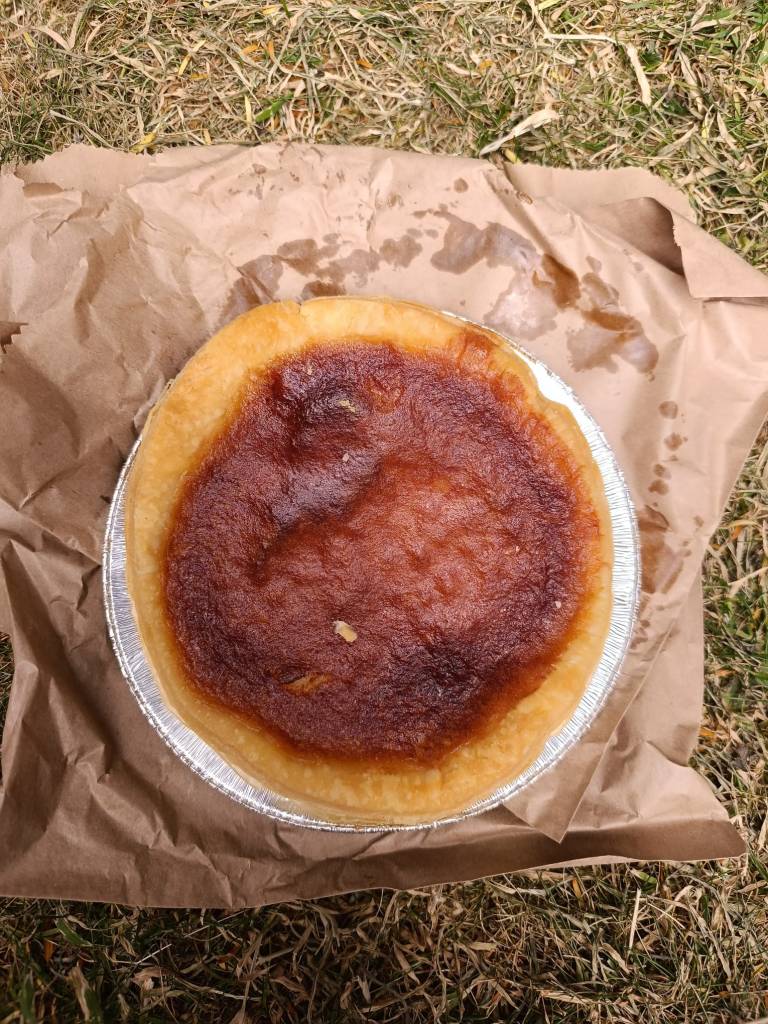
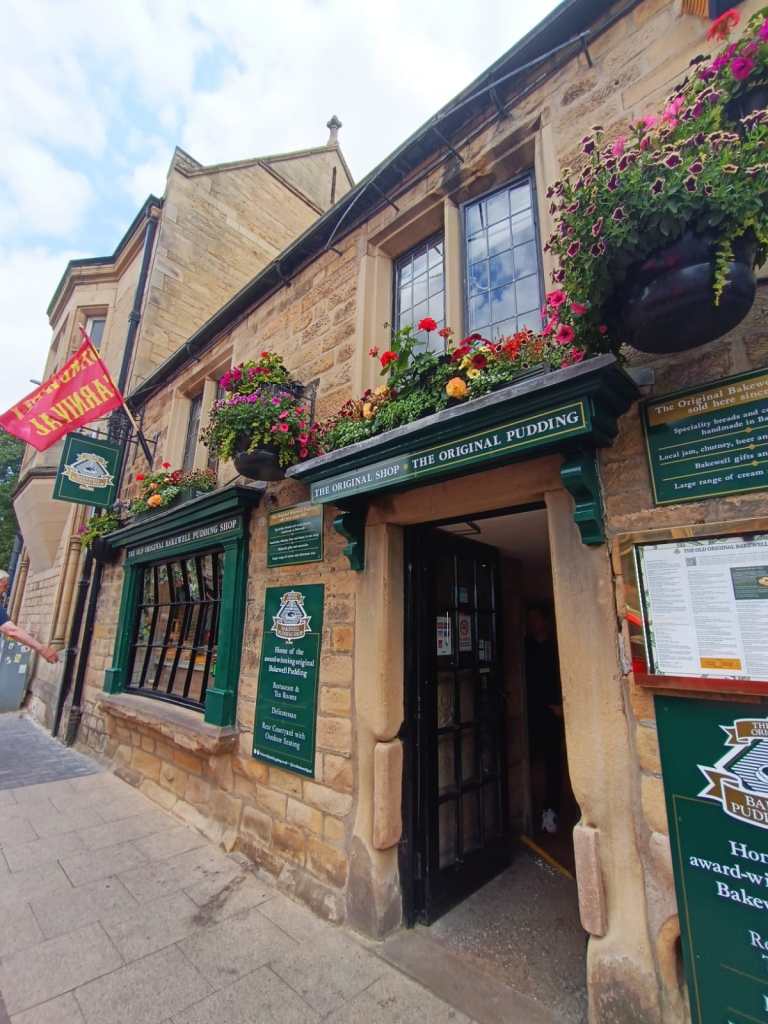

While the actual origin story of how the bakewell pudding came into being is disputed, it is unanimously agreed that it is the pudding that predates the tart.
Rumoured to have been accidently invented in place of a strawberry tart in the 1820’s the bakewell pudding rose to quick fame and success and became a staple in the then White Horse Inn’s dessert menu, eventually gaining a permanent place in this Old Bakewell Shop till today! The Bakewell tart, on the other hand seems to have arrived in the twentieth century and has since then eclipsed its predecessor in commercial success. However, it is to note that the original recipie remains a gatekept secret to this date.
Talk about a happy accident, right🤎
I love my food but I’m not much of a baker or food blogger to be fair.
What really interested me though was since Bakewell pudding/tart came from the town Bakewell did that really grant them some natural protection in law. Or was this dessert protected under a GI; geographical indication tag?
GIs, are a form of intellctual property rights that apply to products with specific ties to a place- that could be like a quality, charcteristic or reputation linked to a region.
When I look at GI’s, I often think of the darjeeling tea that is synonymous with darjeeling- so much so -that it has become part of a local joke when you take too much time to make tea- people respond with, “where did you go to make it, Darjeeling?“
Did Bakewell have that origin recognition and protection by law. Apparently Not! the Bakewell tart had become so synonymous with commercial use and generic producation and sale that it was not distinctive enough to be granted a GI. ‘Bakewell tart’ was too generic of a name and nor the pudding or tart’s historical heritage have that protection as of yet, despite the efforts initiated.
This was my second time encountering such a scenario. A few months back I had visited the largest gorge in the UK in the village, Cheddar! Yes- like the cheese, in Somerset. The local caves in Mendip Hills, provide the cheese the optimum conditions to mature into the cheddar we enjoy so often! Here is a photo from my travels:
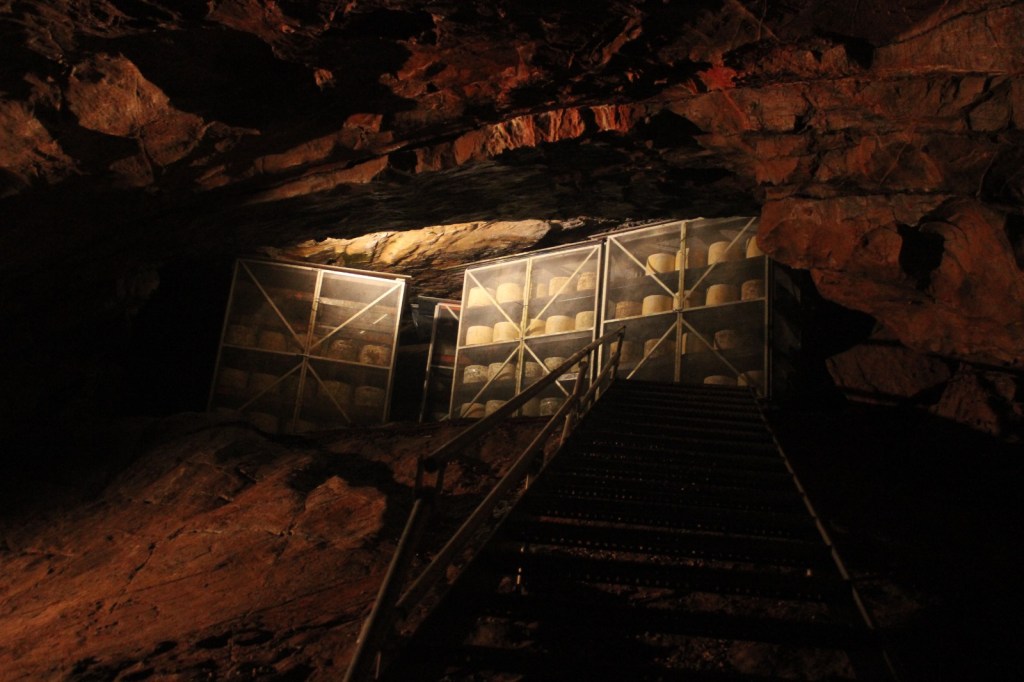
The blocks of cheese kept in the caves of Cheddar gorge, nestled in Mendip Hills, to provide them the optimal enivorment for maturing.
When I asked the shop regarding its legal recogition and protection of Cheddar- since you know the name of the town and the cheese are the same– I was told that since cheddaring (the process of maturing cheese in the caves) is a process, there was no such thing as an IP right on it.
So, naturally, I researched.
Again, in the 19th century, the process of making cheese was so widely industrialised and globalised that cheddar became generic and hence a GI on cheddar was unlikely. If you’re a student or enthusiast of IP law- you know that generic equals no IP rights. However, I also did find that certain specific categories of cheddar cheese such as the Orkney Scottish Island Cheddar does hold a protected GI because of its use of the local milk and its specific dry-stir technique that help distinguish it from other cheddar cheese. Also, West Country Farmhouse Cheddar, holds a protected designation of origin in the UK and EU and must be cheddared (using all traditional methods and aging) and must be made in Somerset, Devon, Dorset or Cornwall, even using the milk from these four places.
Somehow these memorable moments where local lore of towns and villages blended into my fun moments with friends and then circled back to my studies and interst in law made the whole journey magical! Now I’m just waiting for the chance to be able to discover more connections in our already interlinked world.
Credits: The Cover Photo of this post- The painting of the Bakewell Tarts, belongs to me. In case you’re curious about more of my artworks ( they’re only a few I’ve posted) you can check out my insta art page https://www.instagram.com/kritixarts/. Share some Love 💕
The pictures of the Bakewell Pudding Shop, the Bakewell Pudding and the Cheddar cave belong to my sister Vedika Kalra, a passionate baker and photographer in her free time! ✨
 StorieswithKritika
Leave a comment